Solar farms are designed to operate for decades—but poor erosion control can put that longevity at risk before the first panel is even installed. Managing erosion during and after excavation is crucial to the success of your solar project, especially on undeveloped or sloped terrain.
1. Look for Solar-Specific Experience
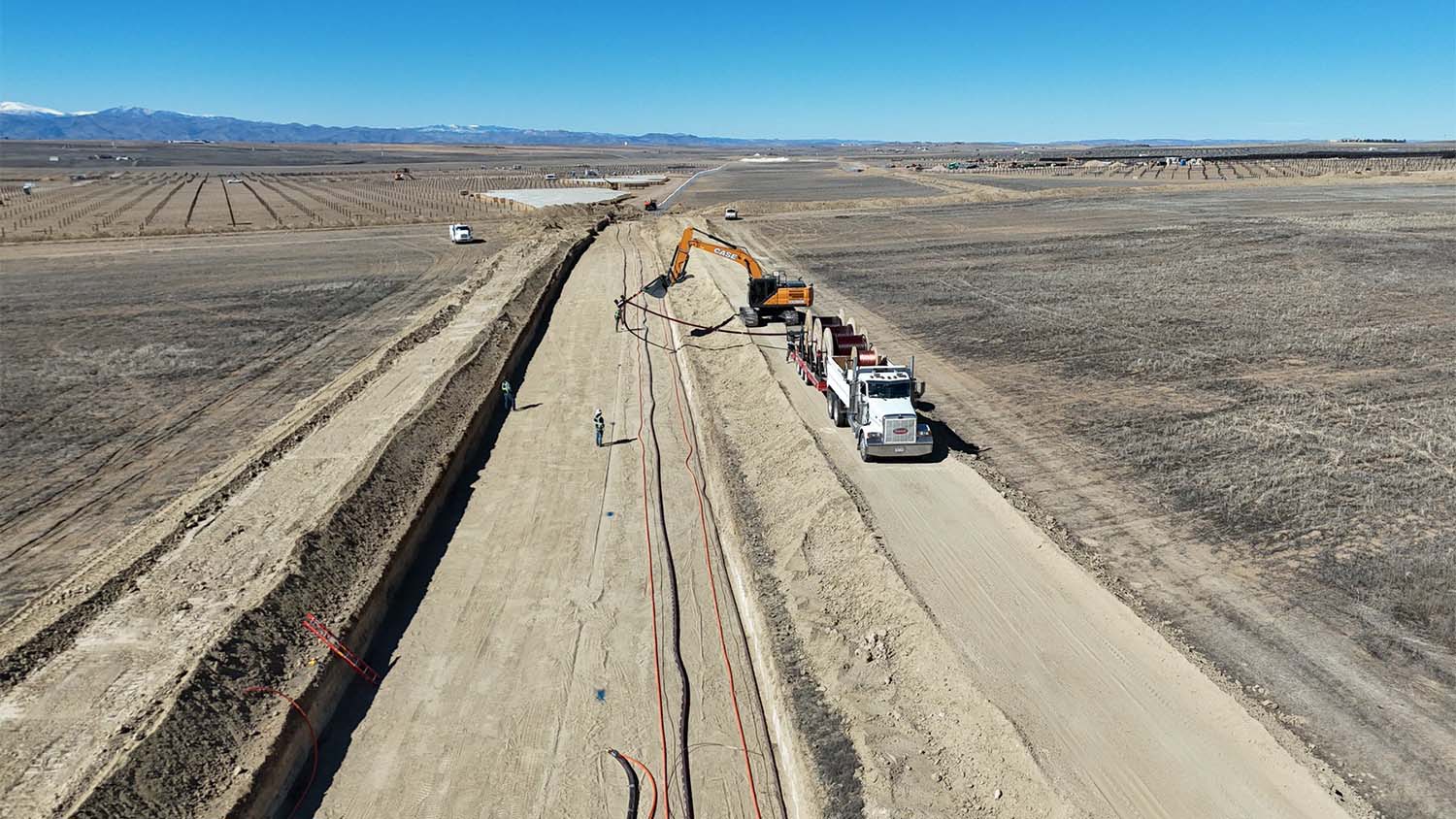
Excavation for solar farms isn’t the same as excavation for commercial buildings or roads. Your partner should understand the unique challenges of solar sites, from trenching for conduit lines to precise grading for racking systems. Ask for a portfolio that includes previous solar farm work—especially at the utility scale.
2. Ensure They Have the Right Equipment (and Enough of It)
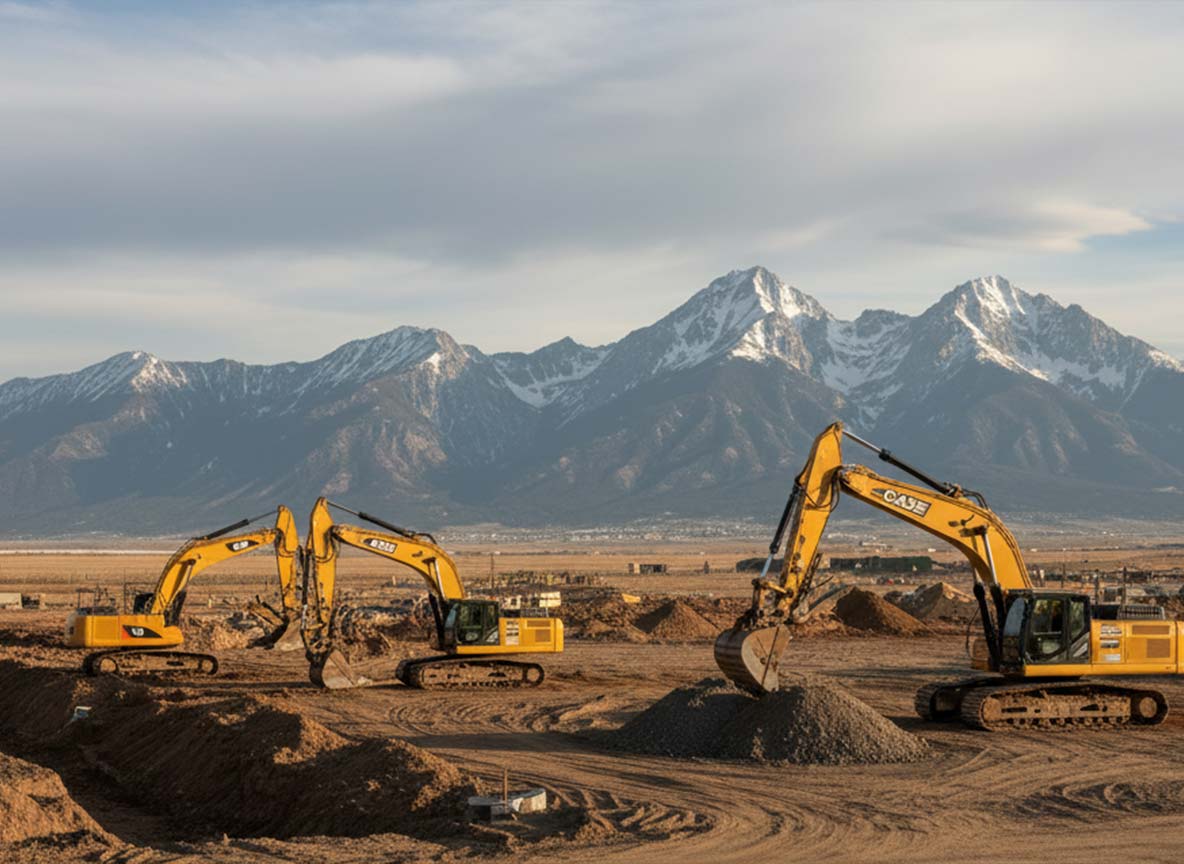
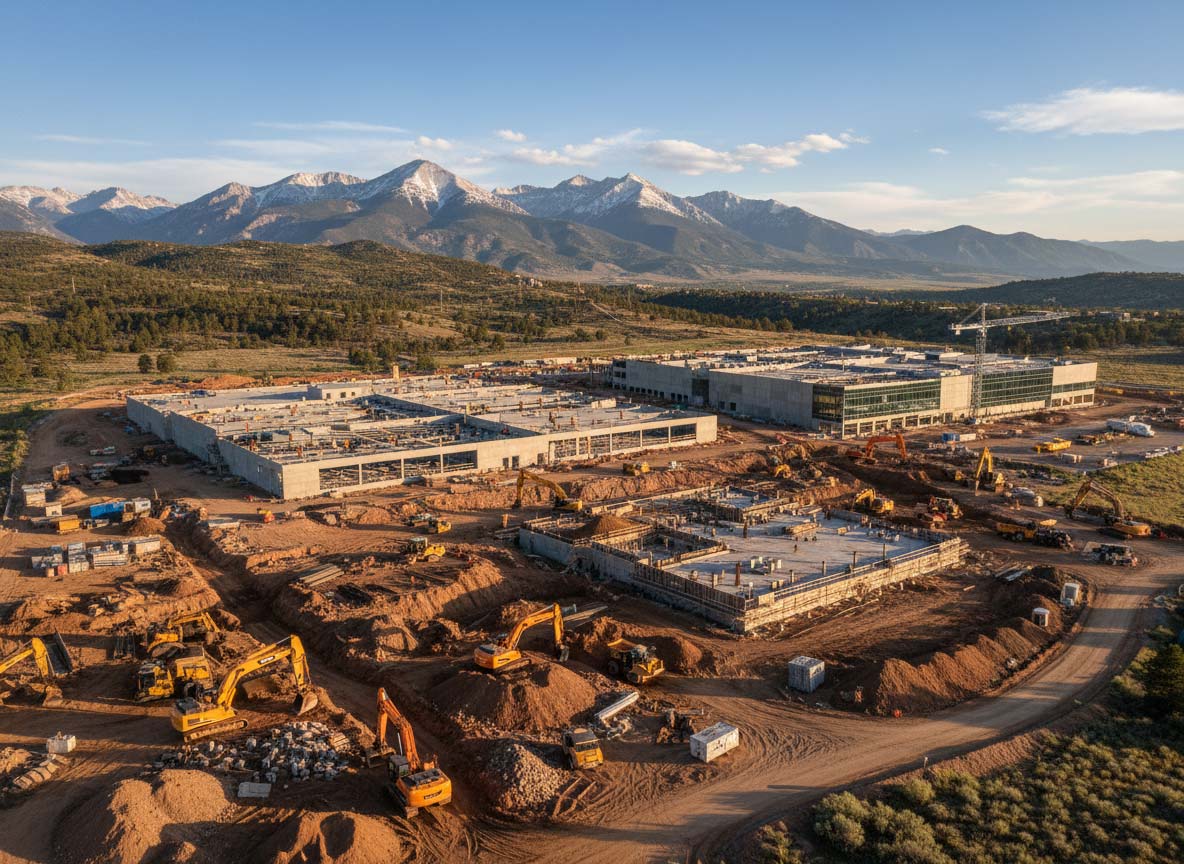
Large-scale solar developments demand heavy-duty equipment and the ability to mobilize quickly. The right excavation company will have a diverse fleet capable of handling large volumes of earthwork, trenching, and compaction, often on tight schedules and remote job sites.
3. Prioritize Timeline Coordination
Your excavation partner must be able to sync seamlessly with other contractors—especially racking system installers and electrical teams. Delays in excavation can ripple through the entire project. Choose a team known for timely execution and clear communication.
4. Check for Environmental Compliance Knowledge
Permitting, dust control, erosion mitigation, and wetland protection are all part of the excavation phase. A reliable partner will already be familiar with the environmental standards relevant to your region and will integrate BMPs (Best Management Practices) into their workflow.
5. Ask About Safety & Reporting
Safety isn’t optional—it’s essential. Look for excavation teams that provide daily reporting, safety briefings, and have a proven safety track record. Not only does this reduce risk, but it shows a commitment to professionalism on your job site.
6. Favor Local & Regional Expertise
A contractor familiar with the soil conditions, permitting processes, and terrain challenges in your region (like the Colorado Front Range or high desert areas) will help you avoid costly surprises.
Bottom Line: The right excavation partner will bring more than just machinery—they’ll bring knowledge, coordination, and reliability to your solar project from day one. If you’re developing a solar farm in Colorado or the Western U.S., contact Black Mountain Excavation to learn how our team can support your success.