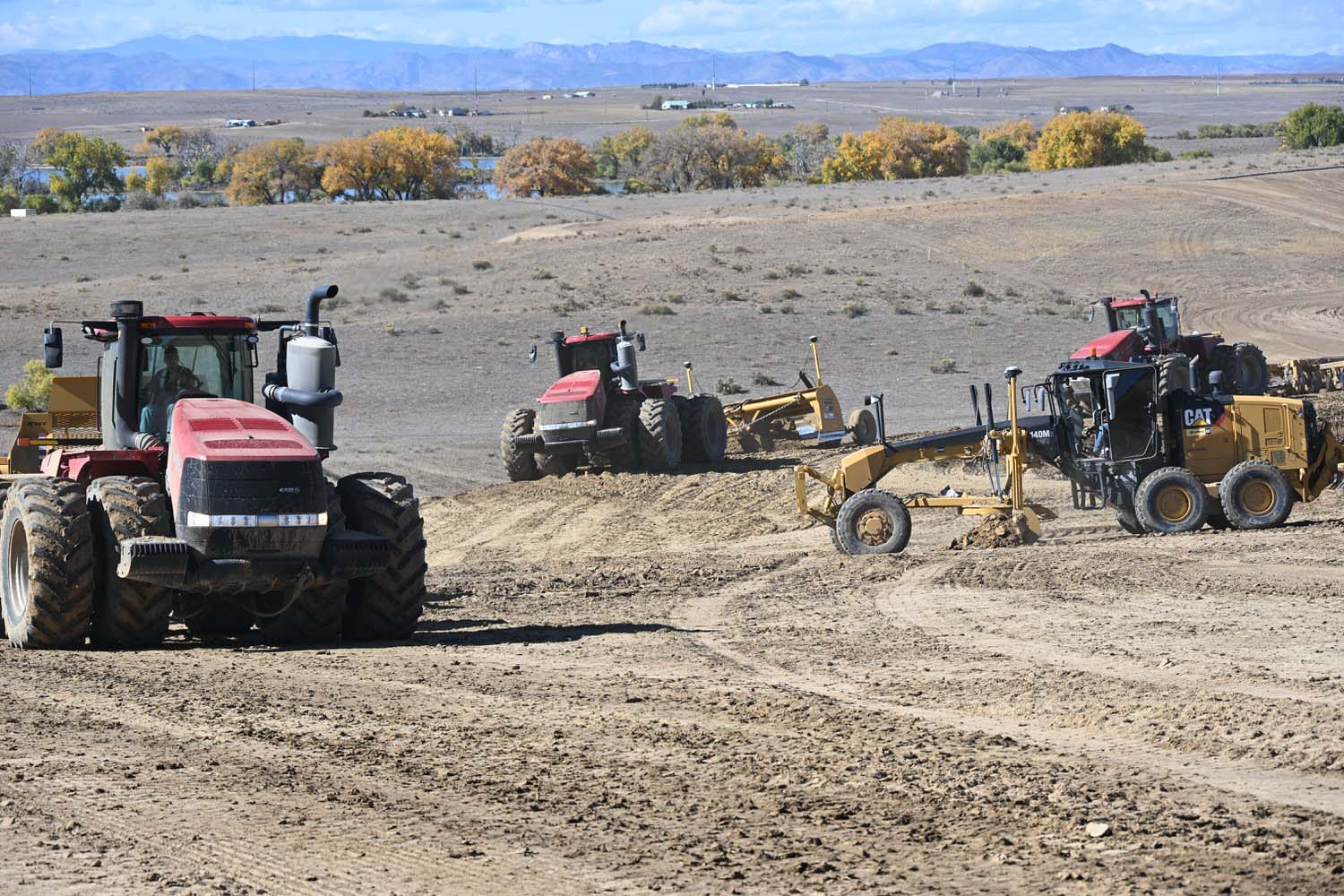
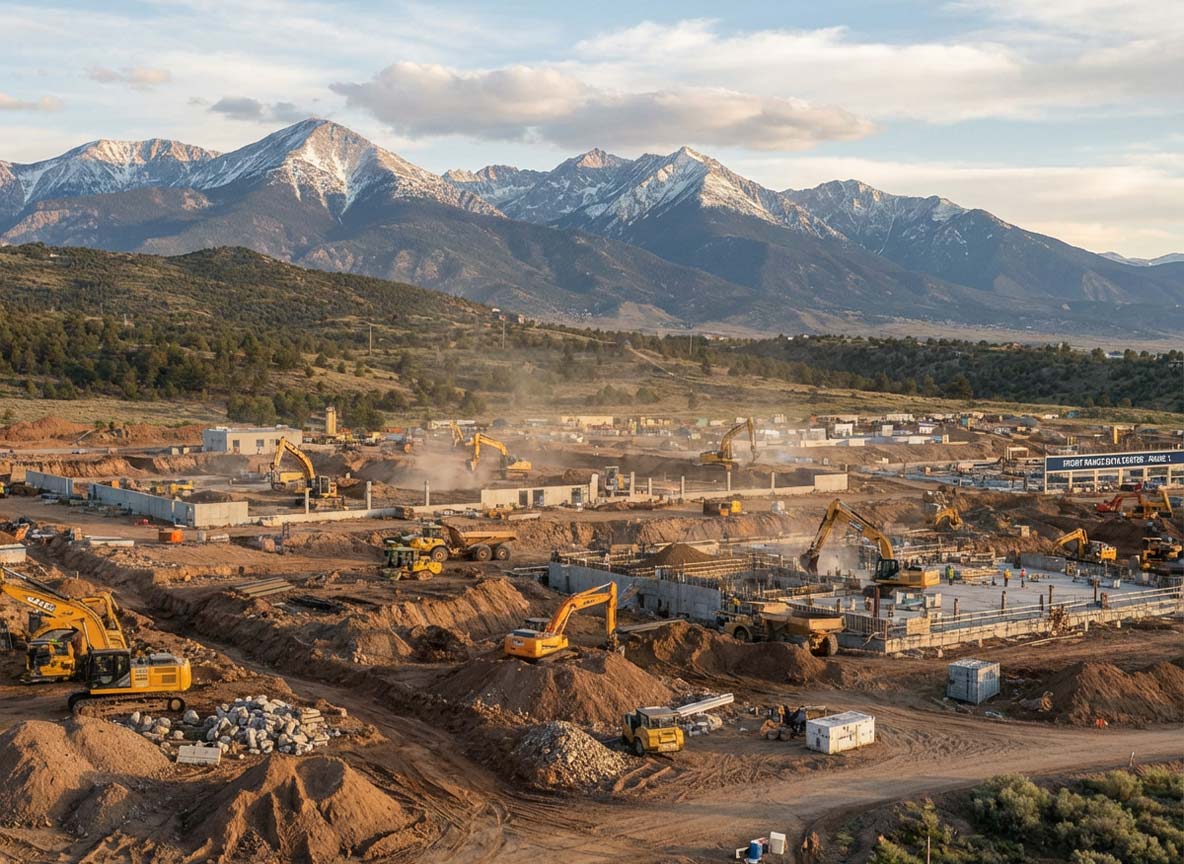
Developing a utility-scale solar project is a complex, multi-phase endeavor—and it all starts with the right groundwork. Quite literally. The excavation partner you choose can make or break the early stages of your solar development timeline. Here's how to make the best choice.
1. Why Erosion Control Matters
Excavation disturbs soil and removes stabilizing vegetation, making solar farm sites particularly vulnerable to wind and water erosion. Without proper mitigation, this can lead to:
Damage to electrical trenches and conduit
Sediment runoff into nearby waterways (triggering environmental violations)
Unstable ground conditions that jeopardize racking systems
2. Common Erosion Control Techniques for Solar Projects
Effective erosion control starts during excavation and continues through installation. Key strategies include:
Silt Fencing & Sediment Barriers: Temporary fencing traps runoff and sediment before it leaves the site.
Erosion Control Blankets: Degradable mats protect bare soil on slopes and drainage channels.
Diversion Channels & Swales: Redirect stormwater to prevent pooling or channeling through disturbed areas.
3. Long-Term Site Stabilization
After installation, maintaining site stability is just as important. Permanent ground cover—whether native grasses, low-growing vegetation, or gravel—reduces ongoing erosion risk and supports long-term system integrity.
4. Regulatory Compliance & BMPs
Many jurisdictions require formal erosion and sediment control (ESC) plans. Your excavation partner should implement Best Management Practices (BMPs) in line with EPA or state-level guidelines. Failure to comply can result in fines or permit delays.
Conclusion
Erosion control isn’t just about protecting the land—it’s about protecting your solar investment. At Black Mountain Excavation, we integrate erosion control into every phase of solar farm development to ensure regulatory compliance, environmental protection, and long-term performance.